Building ideas
into solid form.
Solid Grid explores structural systems, architectural frameworks, spatial planning, and engineering-led design to create environments that feel balanced, intelligent, and built with purpose.
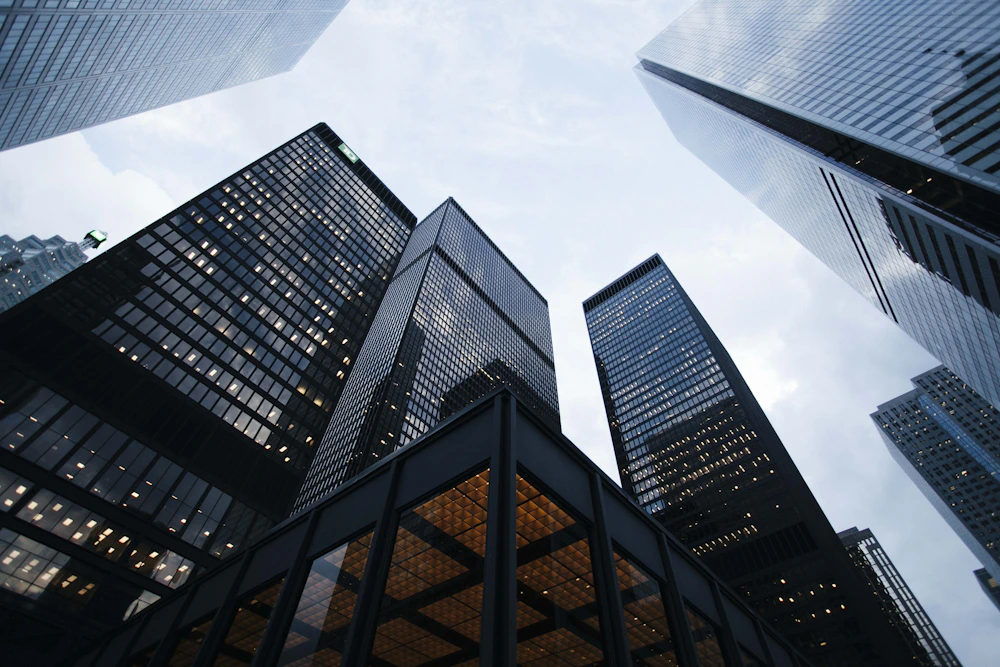
Structure shapes experience.
Frameworks designed to support both function and visual clarity.
Think in layers.
Build with intent.
A strong built environment begins with the relationship between structure, movement, light, materials, and the people using the space.
Explore the Framework →Every line has a reason.
Solid Grid approaches design as a connected system rather than a collection of isolated elements. Structural rhythm, circulation, proportions, daylight, materials, and construction logic are considered together to create spaces that are clear and purposeful.
Rational Frameworks
Clear structural thinking creates easier movement, stronger proportions, and better spatial relationships.
Human-Scale Spaces
Technical systems remain connected to how people actually occupy, navigate, and experience a building.
Designed around the way structures work.
Explore different structural and architectural directions through a collection of visual studies and built-environment concepts.

Urban Frame
Modular structural thinking for multi-level environments where repetition, circulation, and efficient floor planning matter.
Study this system →
Concrete Logic
Bold structural volumes shaped around durability, spatial efficiency, circulation, and strong architectural presence.
Explore the concept →
Steel Rhythm
Lightweight structural expression using clean spans, repeated members, and carefully organized load paths.
Explore the structure →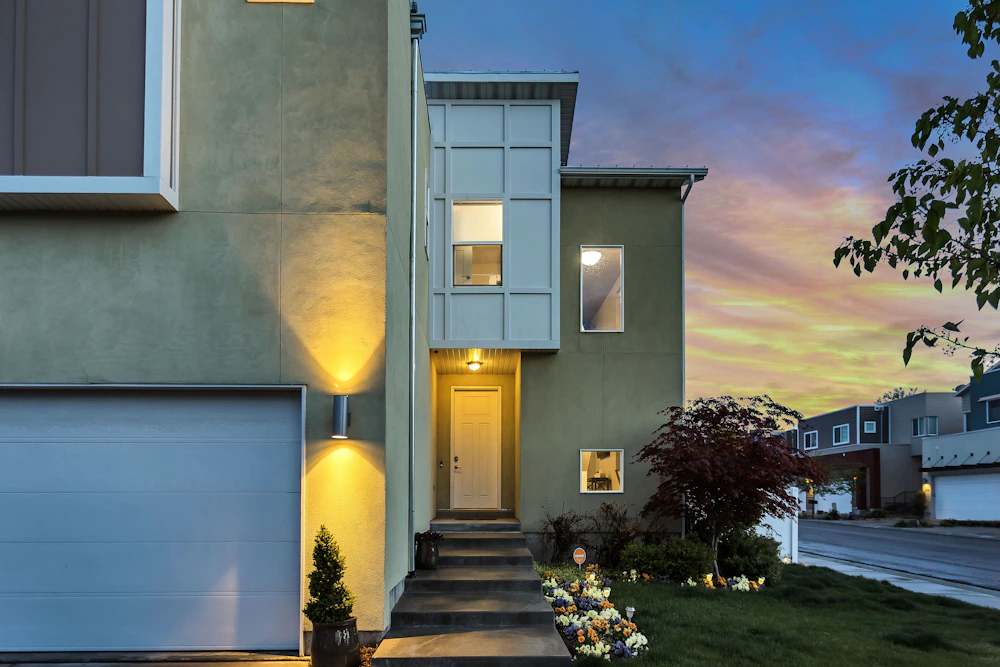
Living Framework
Residential planning where structural organization supports comfortable rooms, daylight, privacy, and everyday movement.
View residential study →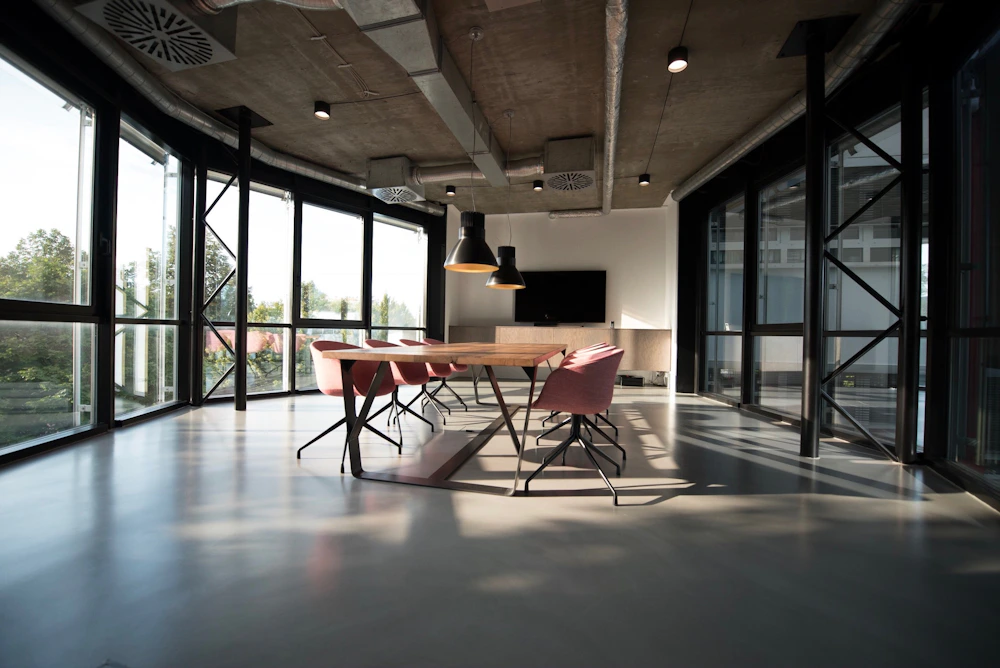
Open Grid
Flexible workplace layouts that balance structural modules, collaboration zones, circulation routes, and usable floor area.
Discover the layout →
Geometry Study
Architectural proportions, façade rhythm, structural repetition, and geometry brought together into a coherent visual language.
See the study →Structure is not only what holds a building.
It influences rhythm, movement, visibility, flexibility, and the character of every space inside it. Solid Grid brings these relationships into the design conversation from the beginning.
Spaces shaped by structure.
A collection of conceptual directions showing how structure and spatial planning can work together.
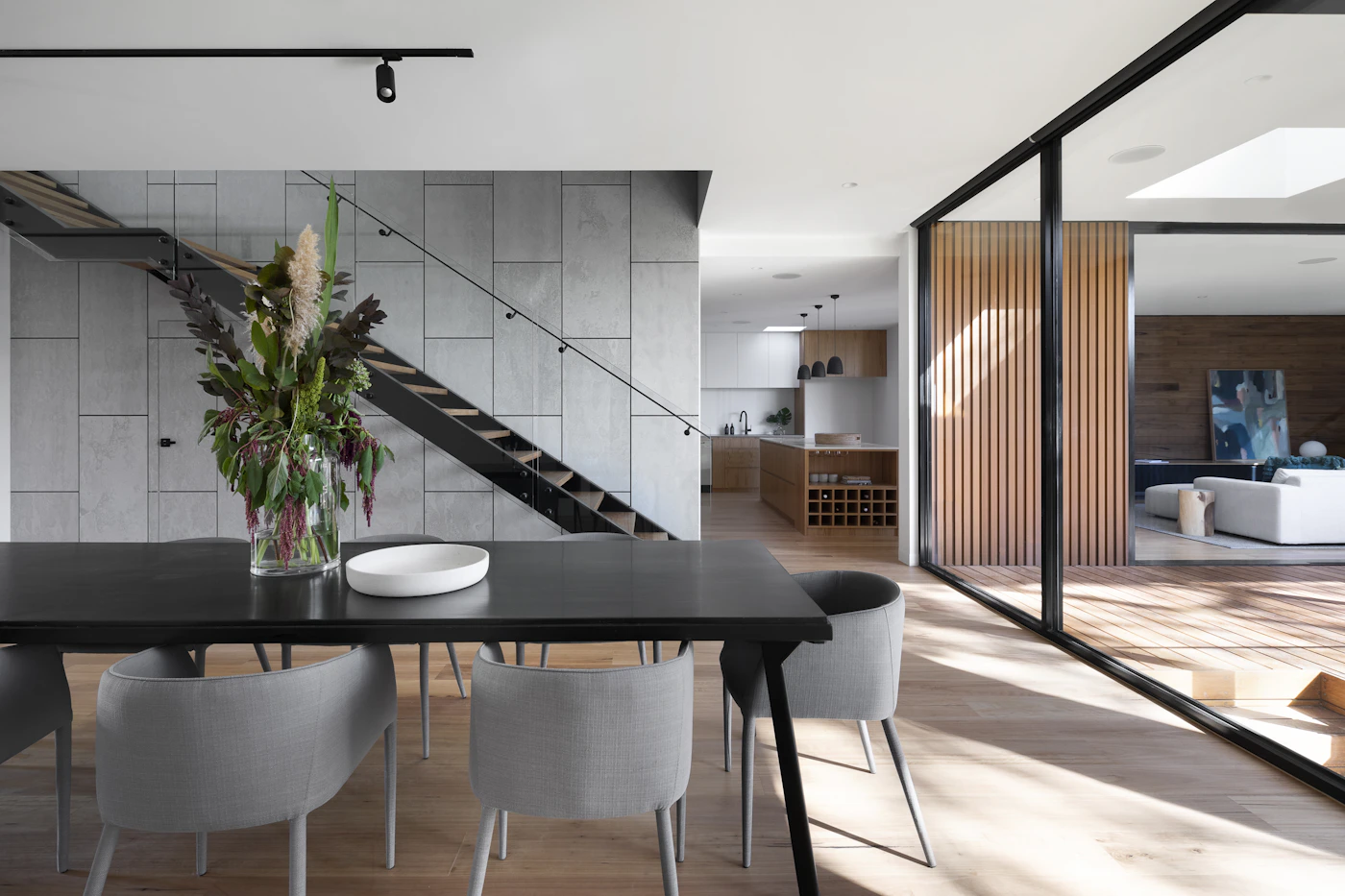
Courtyard Grid
A residential concept organized around a central open zone, allowing circulation, daylight, and structural rhythm to reinforce one another.

Vertical Rhythm
Repetition meets urban scale.

Monolithic House
Mass, light, and controlled openings.
From first line to complete system.
A structured workflow keeps creative thinking connected to practical planning and technical clarity.
Read the Site
Understand the site, requirements, orientation, constraints, movement patterns, and intended use.
Establish the Grid
Create an organizing framework that connects structure, circulation, rooms, openings, and proportions.
Shape the Space
Refine volumes, materials, daylight, façade rhythm, and interior relationships around the established framework.
Connect the Details
Bring the structural idea together with practical construction, material choices, services, and everyday usability.
More ways to see the grid.
Structural ideas can appear through façades, interiors, floor plans, repeated modules, materials, and spatial connections.


Have a structure worth exploring?
Share the basic direction of your project, the type of space you are considering, and the challenges you want the design to solve. The first step is understanding the idea.